A Multidimensional Analysis of Erectile Dysfunction Etiology: The Interplay of Lifestyle, Comorbidity, and Age
DOI:
https://doi.org/10.54117/sjmams.v4i1.17Keywords:
Erectile Dysfunction, Lifestyle Factors, Comorbidities, Men’s HealthAbstract
Background: Erectile dysfunction (ED) is increasingly recognised as a multifactorial condition that extends beyond the traditional narrative of age-related decline, reflecting the intersection of vascular, metabolic, psychological, and socio-behavioural determinants. Despite its high prevalence affecting nearly half of men over 40 ED remains underdiagnosed and undertreated, particularly in low-resource settings where cultural stigma and inadequate healthcare access exacerbate the burden. This review sought to critically examine the impact of lifestyle behaviours, comorbid conditions, and demographic factors on the etiology and progression of ED.
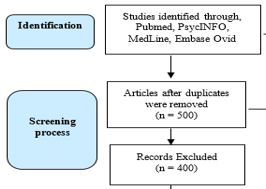
Methods: Following Arksey and O’Malley’s scoping review framework, a systematic search was conducted across PubMed, PsycINFO, MedLine, and Embase Ovid for studies published between 2012 and 2024. Out of 2,000 records, 12 primary research articles met the inclusion criteria of examining ED in relation to obesity, hypertension, diabetes, lifestyle factors, and age. Data were synthesised thematically and appraised using the CASP checklist.
Findings: Findings reveal significant heterogeneity: prevalence rates ranged from 19.3% to 77.9%, with higher risk consistently associated with diabetes, cardiovascular disease, obesity, smoking, and sedentary behaviour. Age emerged as a dominant but insufficient explanation, as ethnicity, socioeconomic status, and lifestyle mediated outcomes. Notably, treatment rates lagged far behind prevalence, highlighting persistent stigma and limited integration of ED management into broader health services.
Conclusion: In conclusion, ED is best understood as a multidimensional condition shaped by biological, behavioural, and sociocultural forces. Addressing it requires not only pharmacological interventions but also targeted lifestyle modifications, early screening, and the dismantling of barriers to open discussion within healthcare systems.
Keywords: Erectile Dysfunction; Lifestyle Factors; Comorbidities; Obesity; Hypertension; Diabetes Mellitus; Ageing; Men’s Health; Quality of Life; Scoping Review.
Downloads
Published
How to Cite
Issue
Section
License
Copyright (c) 2025 James Success Odubia, Comfort Ifeoluwa Olalere, Chidera Miracle Ukanwa, Lois Moyoyinoluwa Ogunjinmi, Fathia Oluwafunmilayo Adesina, Marvelous Oyeboade Oyediran, Oluwasola James Adeoti

This work is licensed under a Creative Commons Attribution 4.0 International License.